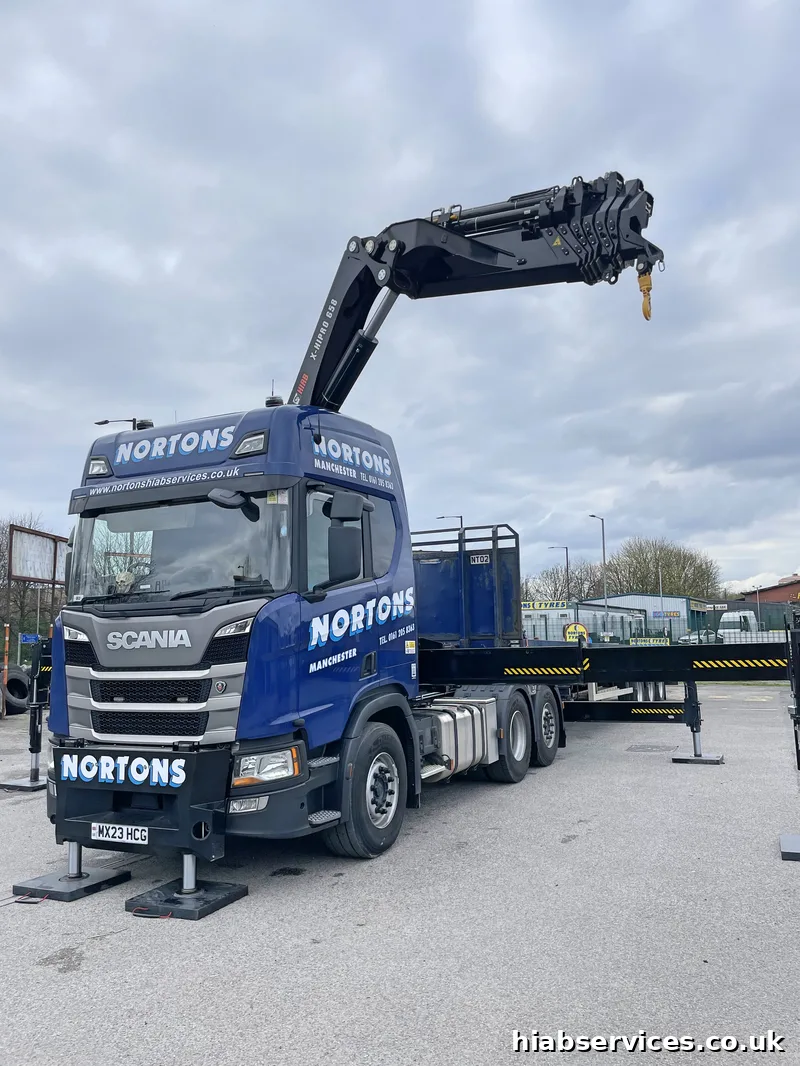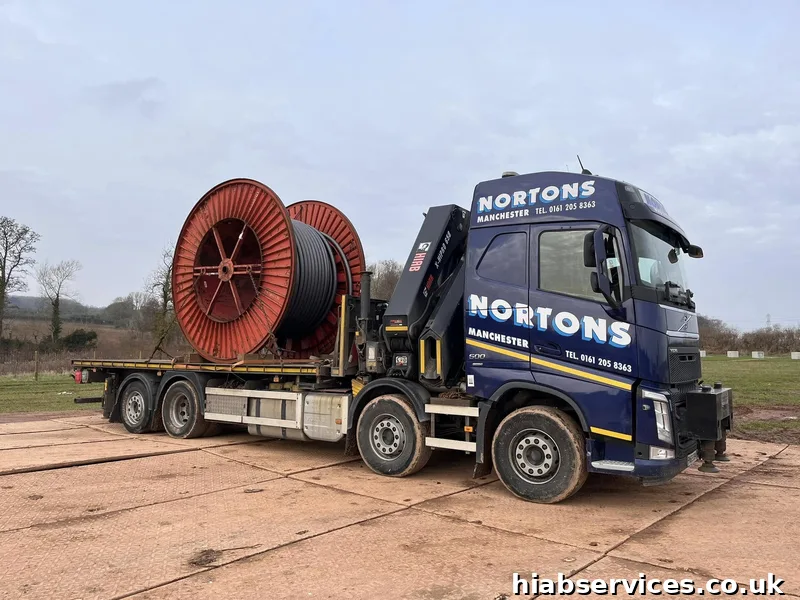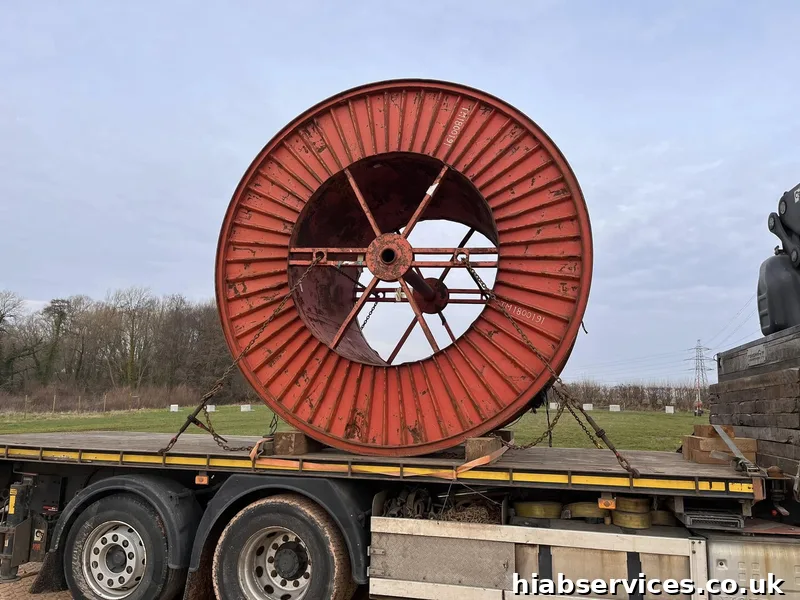
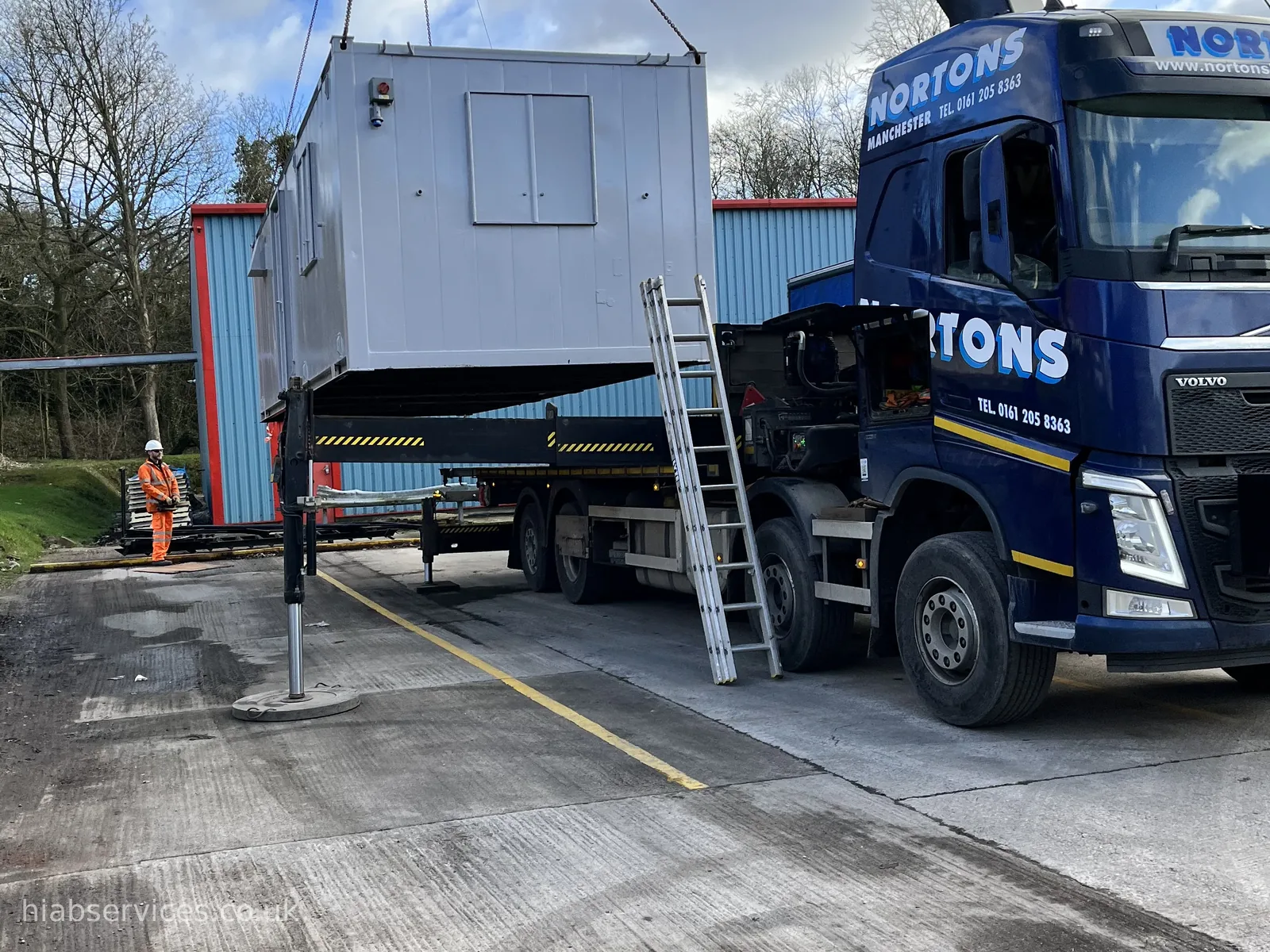
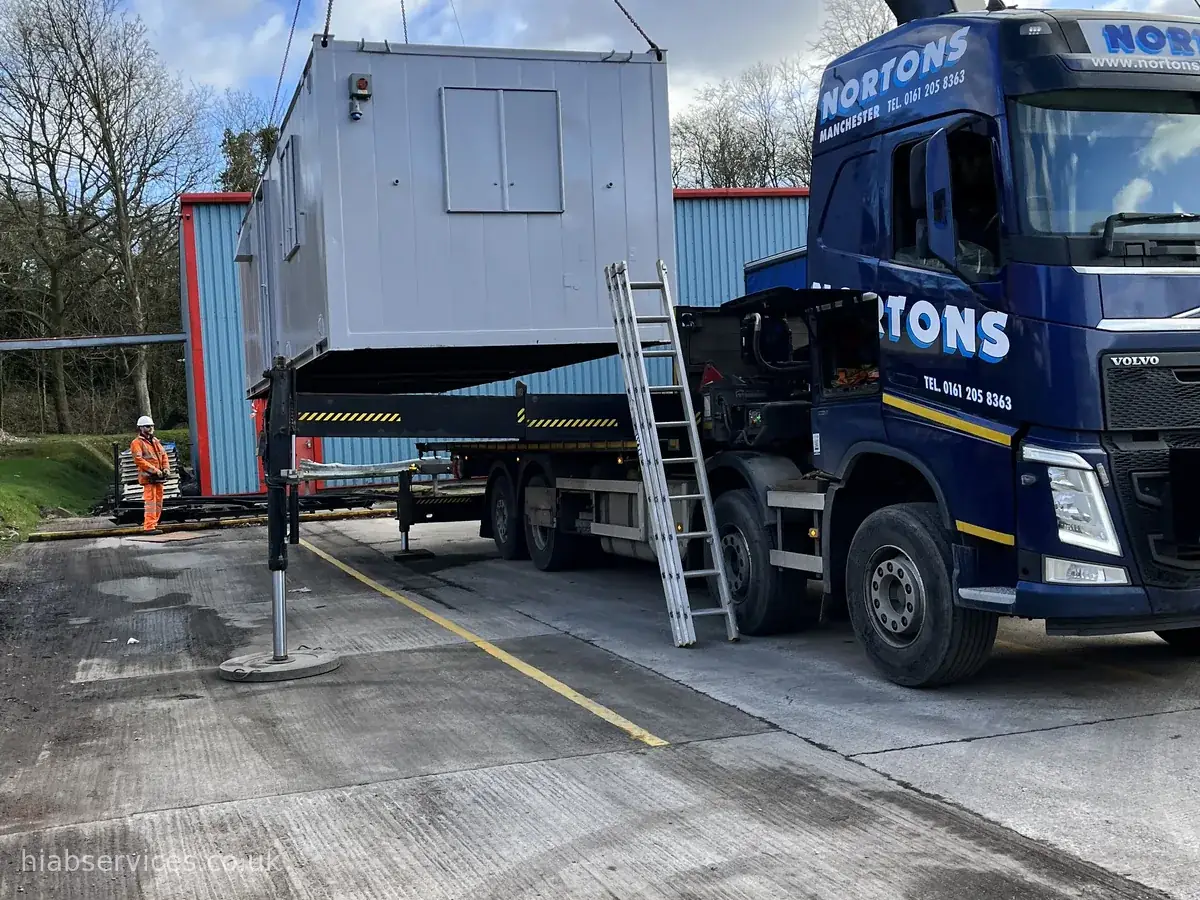
A HIAB delivery that arrives at a site with poor access, overhead obstructions or inadequate parking adds time to the job and increases costs. A few hours of preparation in advance makes a significant difference. Here is what to check and prepare.
Parking and Access
Ensure the HIAB vehicle has a clear parking position as close to the lift point as possible. Mark out the parking bay if the site is unfamiliar to the driver. Check that access gates are wide enough for the vehicle (typically 3.0 metres minimum for a rigid, 3.5 metres for an artic). Clear any low branches, bollards or temporary obstructions on the approach route.
Ground Conditions
The vehicle must park on ground firm enough to support its weight when the outrigger stabilisers are deployed. Soft ground, loose aggregate or recently excavated areas can cause the outriggers to sink during a lift. Use steel or timber spreader plates under outrigger feet on any suspect ground. If in doubt, discuss ground conditions with us before the visit.
Overhead Hazards
Check for overhead power lines, telephone cables, tree canopies and roof overhangs in the crane's working arc. Electric power lines are the most serious hazard — the crane must maintain a minimum safe distance (typically 6 metres for 11kV lines). Mark any overhead hazard positions clearly and inform our operator before the lift begins.
Clear the Lift Zone
Ensure the area below the crane's working arc is clear of all personnel not involved in the lift during the lift operation. Remove vehicles, wheelbarrows, tools and other obstructions from the area. Brief your team on the exclusion zone before our vehicle arrives.
Have Load Information Ready
Confirm the load's weight and certified lift points before our driver arrives. Hunting for paperwork on site wastes time. Call us on 0330 175 8197 if you have any questions before delivery day.