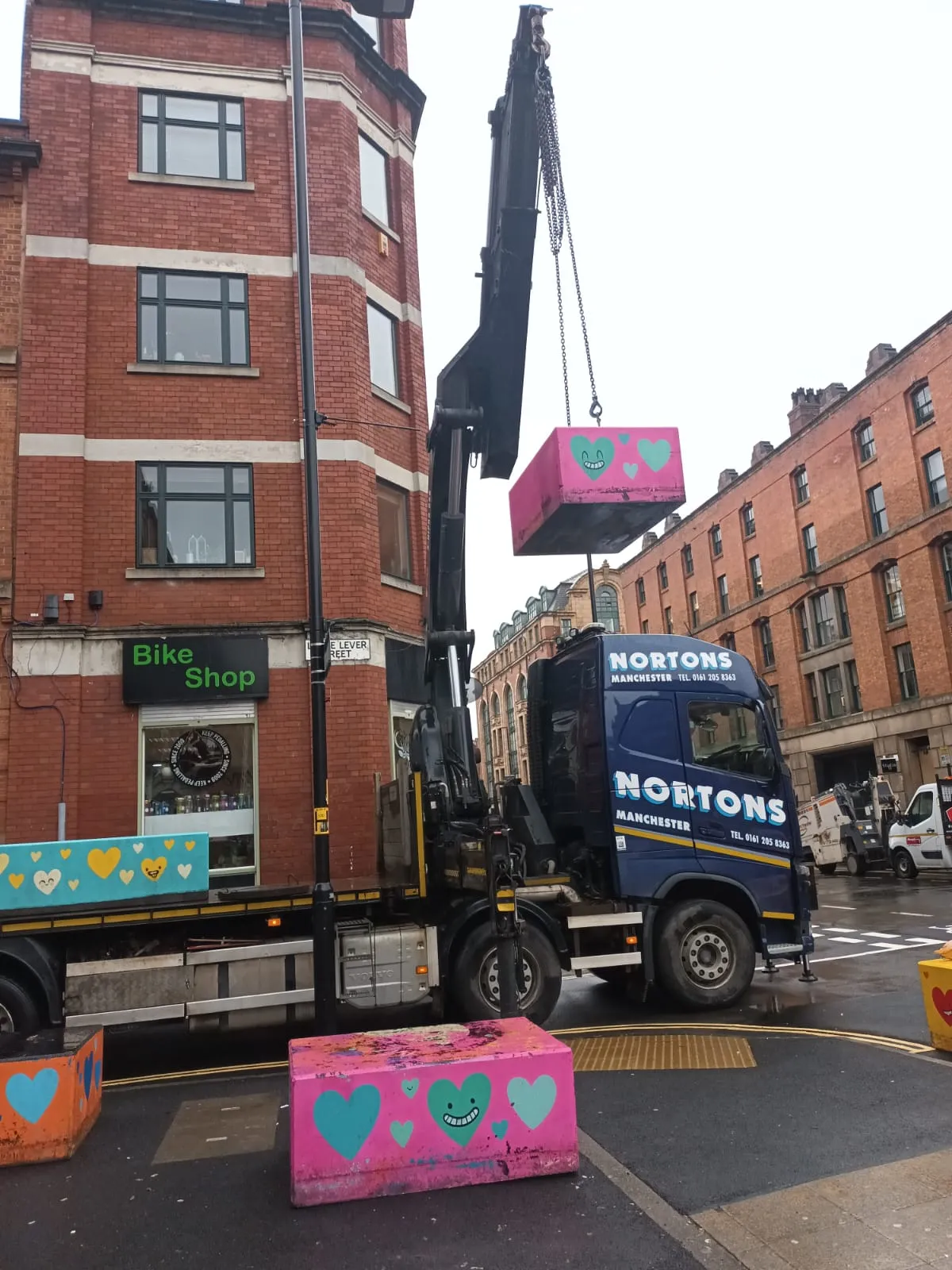
A wagon and drag consists of a rigid lorry towing a drawbar trailer, giving greater payload than a rigid alone but more manoeuvrability than a full artic in many situations.
Wagon and drag is one of the most versatile vehicle combinations in the UK road haulage fleet — and when fitted with a HIAB crane, it becomes an exceptionally capable transport and lift solution. Here is everything you need to know.
A wagon and drag — also called a drawbar combination — is a rigid lorry (typically 18–26 tonnes GVW) towing a separate two-axle drawbar trailer. Unlike an articulated vehicle, the trailer is not semi-mounted on the tractor unit; it has its own front axle and is pulled rather than pushed. This gives the combination excellent stability when loaded and allows the trailer to be detached and left at a site while the rigid unit continues with other work.
A wagon and drag combination can have a gross train weight of up to 44 tonnes, with typical payloads of 24–28 tonnes depending on the specification. The total length is typically 18.75 metres, the same as a standard articulated lorry. The deck area is often greater than an artic because both the rigid body and the trailer provide flat load space.
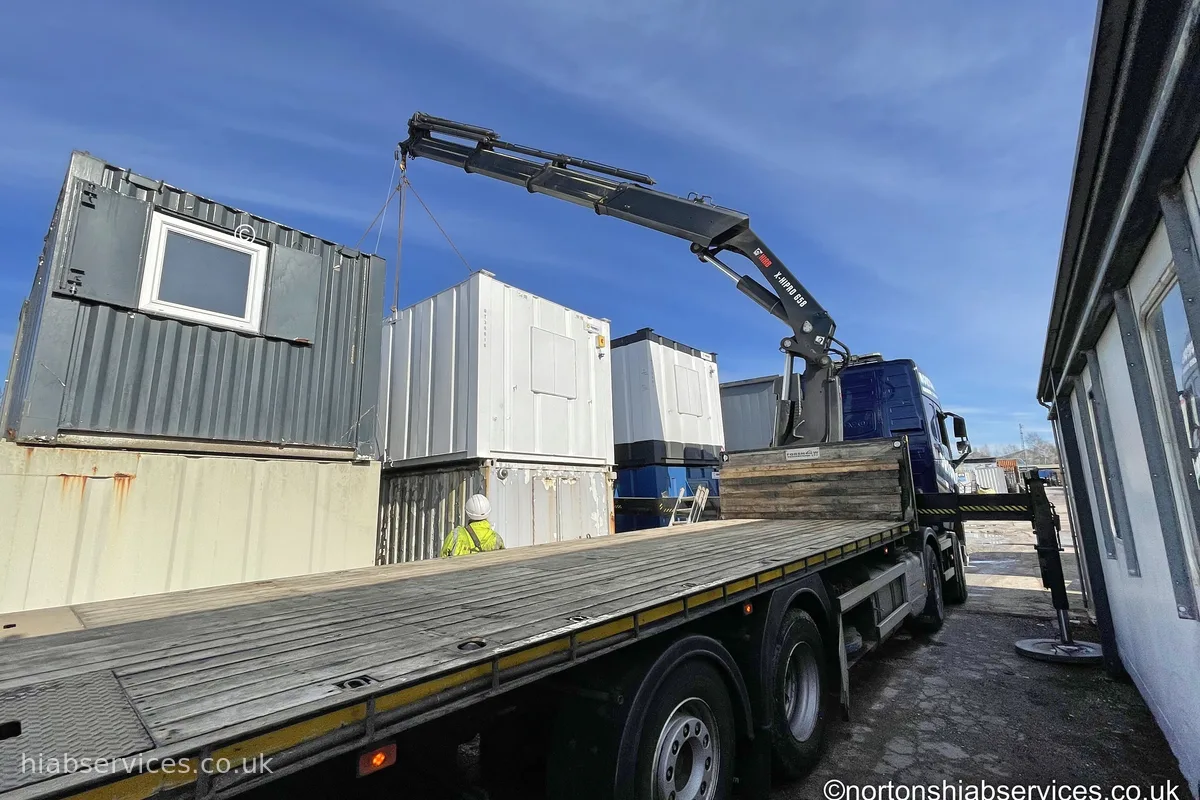
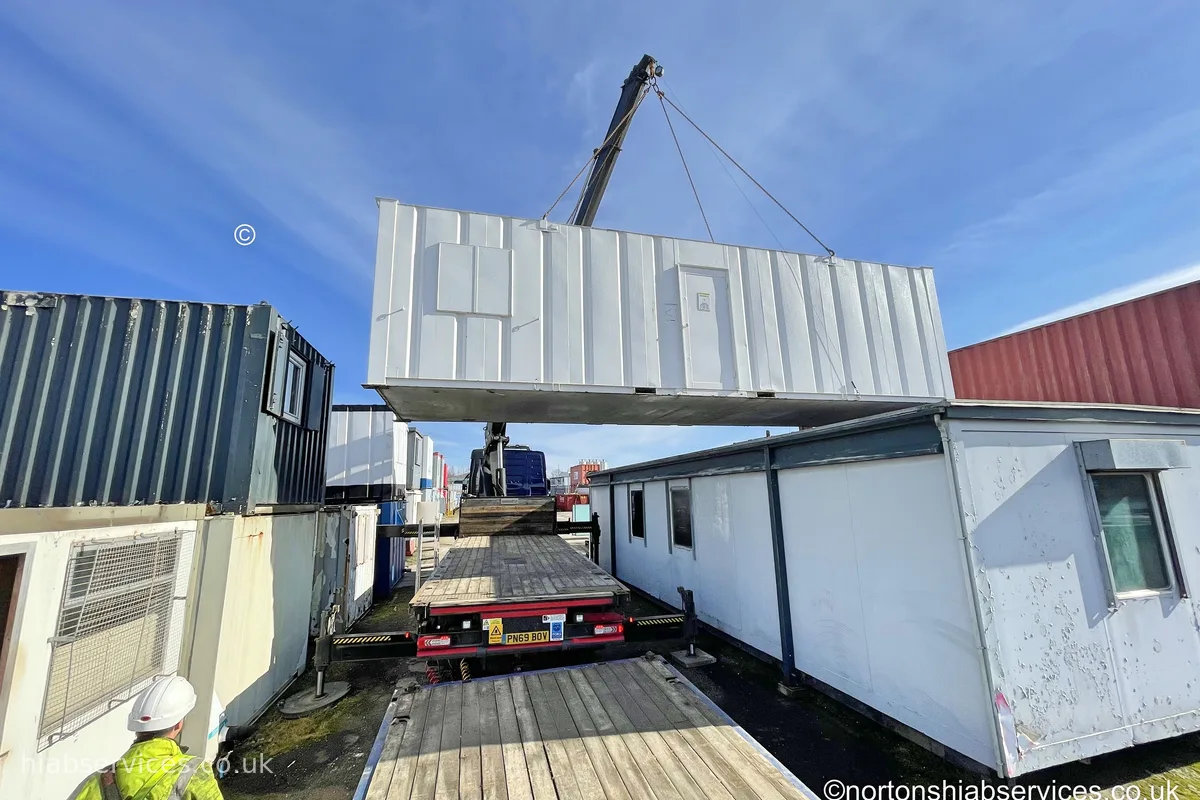
When a HIAB crane is fitted to the rigid unit of a wagon and drag, you get a vehicle that can carry large volumes of material AND lift it off at the delivery point — with the option of dropping the trailer and using the rigid alone in tighter spaces. This is particularly useful for multi-drop deliveries to construction sites where access is variable.
The wagon and drag is a better choice when: you need to detach the trailer at a site, the load requires the crane on the rigid while the trailer carries the bulk of the materials, or access to the delivery point suits a shorter vehicle. The artic is better for single-destination loads where maximum payload efficiency is the priority.
To discuss whether wagon and drag is right for your job, call 0330 175 8197 or visit our wagon and drag page.
Working to recognised UK transport, lifting and safety standards — across England, Scotland and Wales.