
When people ask about HIAB maximum weight, they are usually asking one of two different questions: what is the maximum weight the vehicle can carry on its deck, or what is the maximum weight the crane can lift? The two numbers are not the same.
Vehicle Payload vs Crane Lift Capacity
Vehicle payload is the maximum gross load that can sit on the lorry's deck or trailer — governed by the vehicle's gross vehicle weight (GVW) rating and axle limits. A 26-tonne GVW rigid HIAB truck might have a usable payload of 10–14 tonnes depending on the crane weight and body specification.
Crane lift capacity is the maximum load the hydraulic crane can safely pick up, expressed in tonnes at a given radius (distance from crane centre). This is always less than vehicle payload for the same reason a kettlebell feels heavier when held at arm's length.
Capacity by Model
HIAB 558: Lifts up to around 10 tonnes at minimum radius and carries up to 10 tonnes of payload, with a crane reach to 14.5 metres. The versatile all-rounder for standard construction deliveries, steel placement and container work.
HIAB 658: Lifts up to 10.9 tonnes at minimum radius and carries up to 8 tonnes, with reach to 17 metres. Our most widely used crane — ideal for heavier construction lifts and longer steel deliveries.
HIAB 858: Lifts up to 18 tonnes at minimum radius with the greatest reach in our rigid fleet — up to 19.5 metres (payload up to 5.5 tonnes, as the larger crane takes more of the vehicle weight). For long-reach lifts at distance and complex placements.
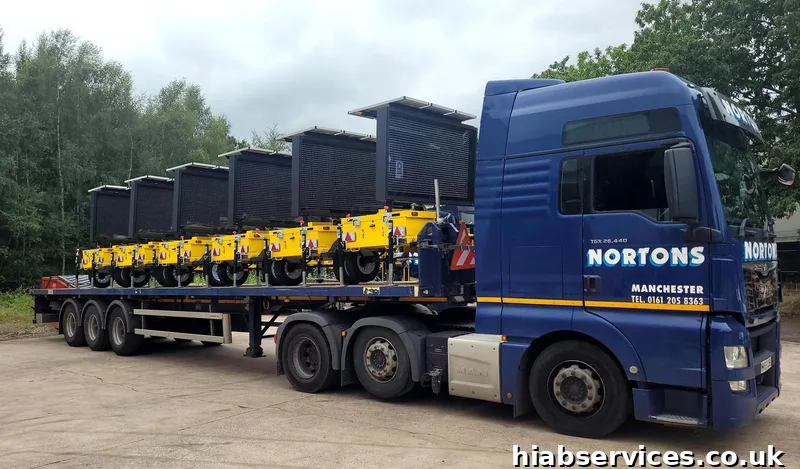
For maximum payload combined with crane delivery, our wagon & drag and artic HIABs carry up to 14 tonnes with crane reach of 16–17 metres.
Why Radius Matters
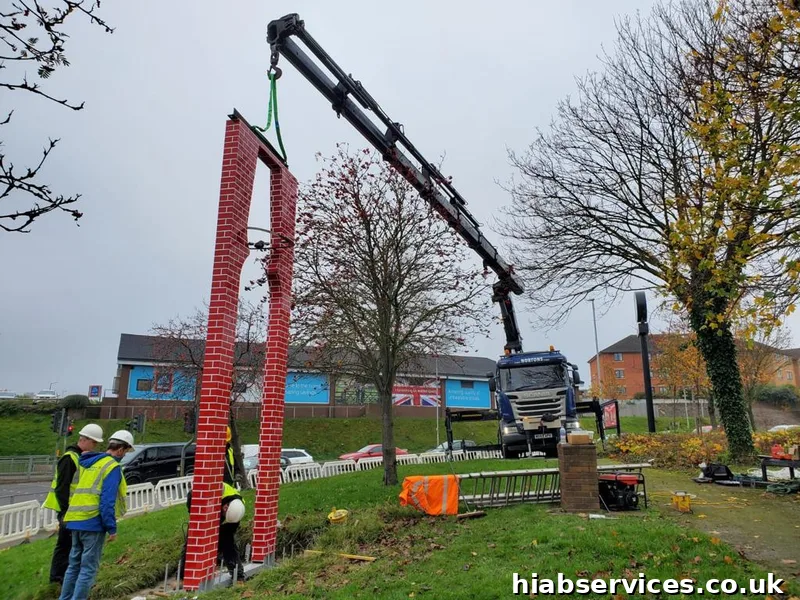
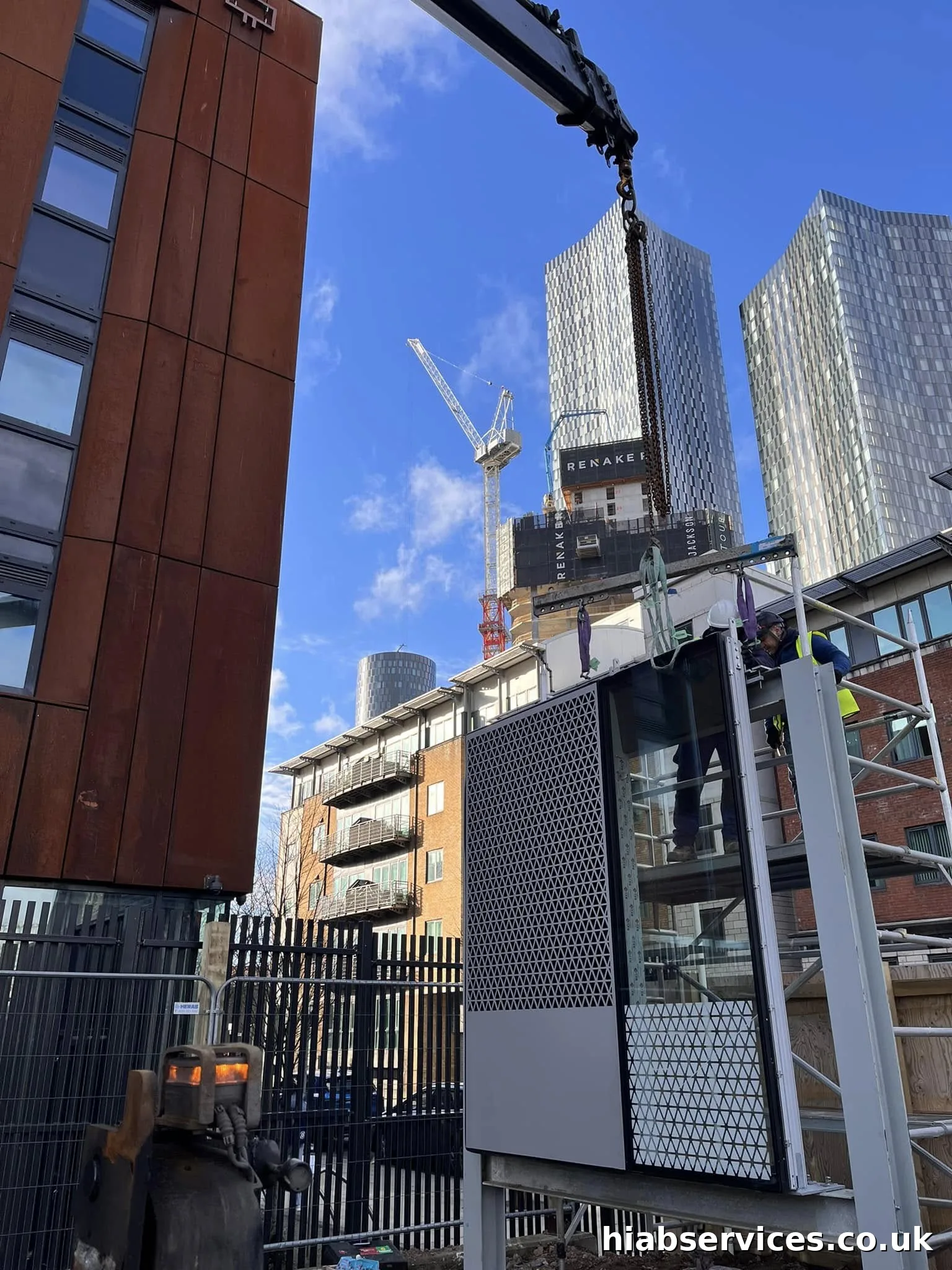
Safe working load reduces as radius increases. If the load needs to be placed 8 metres from the crane, the effective capacity may be half of what the crane can lift at 2 metres. Always tell your HIAB operator where the load needs to be placed, not just how heavy it is.
For advice on the right HIAB for your load, call 0330 175 8197.